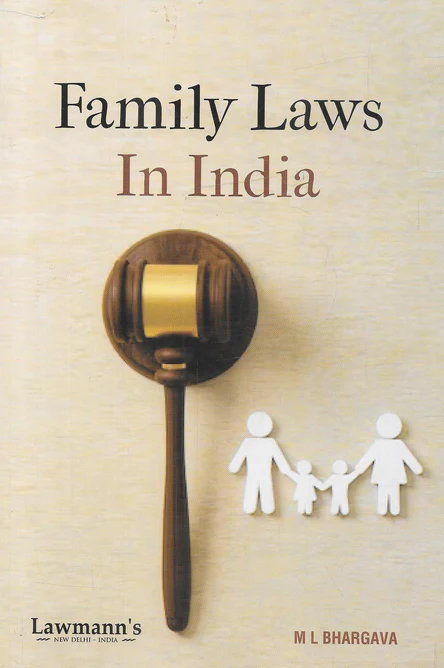
Lawmann's Family Law in India- Edition 2026
| Author : | M. L. Bhargava |
|---|
Family Laws in India by M. L. Bhargava provides a comprehensive, well-structured, and updated analysis of the major personal laws governing marriage, divorce, maintenance, guardianship, adoption, succession, and family rights in India. Covering Hindu, Muslim, Christian, Parsi, and secular family law frameworks, the book offers clear explanations supported by case law, statutory provisions, and comparative discussions. Ideal for law students, judicial aspirants, family law practitioners, and research scholars.


Tags: LEGAL BOOKS, LAW BOOKS, Family Law
Family Laws in India by M. L. Bhargava is a detailed, authoritative, and student-friendly reference work that offers a thorough understanding of India’s diverse personal law system. The book covers the entire spectrum of family law—from marriage and divorce to adoption, succession, guardianship, maintenance, legitimacy, and family court procedures—making it a complete guide for anyone studying or practicing in this field.
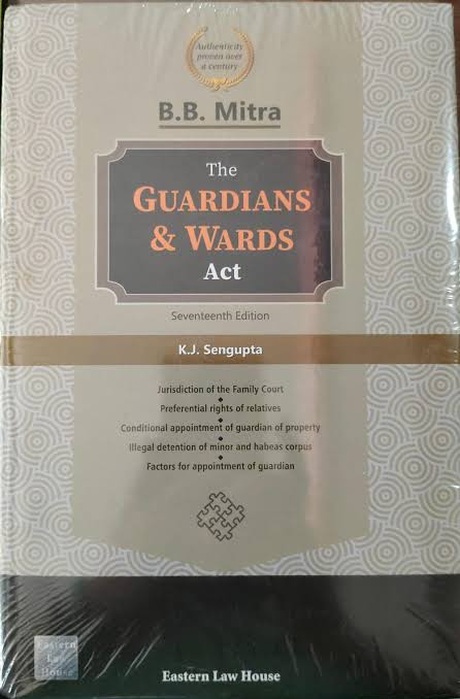
The author provides an in-depth explanation of Hindu Law, Muslim Law, Christian Law, Parsi Law, and special secular statutes, such as the Special Marriage Act, the Guardian and Wards Act, the Protection of Women from Domestic Violence Act, and the Family Courts Act. The text is enriched with recent judgments, legislative amendments, doctrinal analysis, and comparative perspectives, helping readers understand both the theoretical foundations and the practical applications of family law in India.
This book systematically discusses rights, duties, remedies, liabilities, and legal protections within various personal law traditions. It examines essential concepts like valid marriage, void and voidable marriages, matrimonial reliefs, grounds of divorce, maintenance rights under different statutes, custody and guardianship principles, succession and inheritance rules, as well as contemporary issues such as gender equality in family law, live-in relationships, domestic violence remedies, and evolving judicial trends.
Written in simple, clear, and analytical language, the book is particularly useful for law students preparing for university exams, judicial services, UGC NET, and competitive law examinations. It also serves as a practical reference for family court lawyers, legal counselors, social workers, researchers, and academicians seeking a reliable and updated resource on personal laws in India.
Packed with illustrations, leading case references, statutory notes, and chapter-wise summaries, Family Laws in India remains an indispensable and comprehensive guide that reflects the dynamic and evolving nature of Indian family law. Whether for conceptual clarity, exam preparation, or courtroom use, this book offers a complete understanding of rights, responsibilities, and family relationships under India’s multifaceted legal framework.